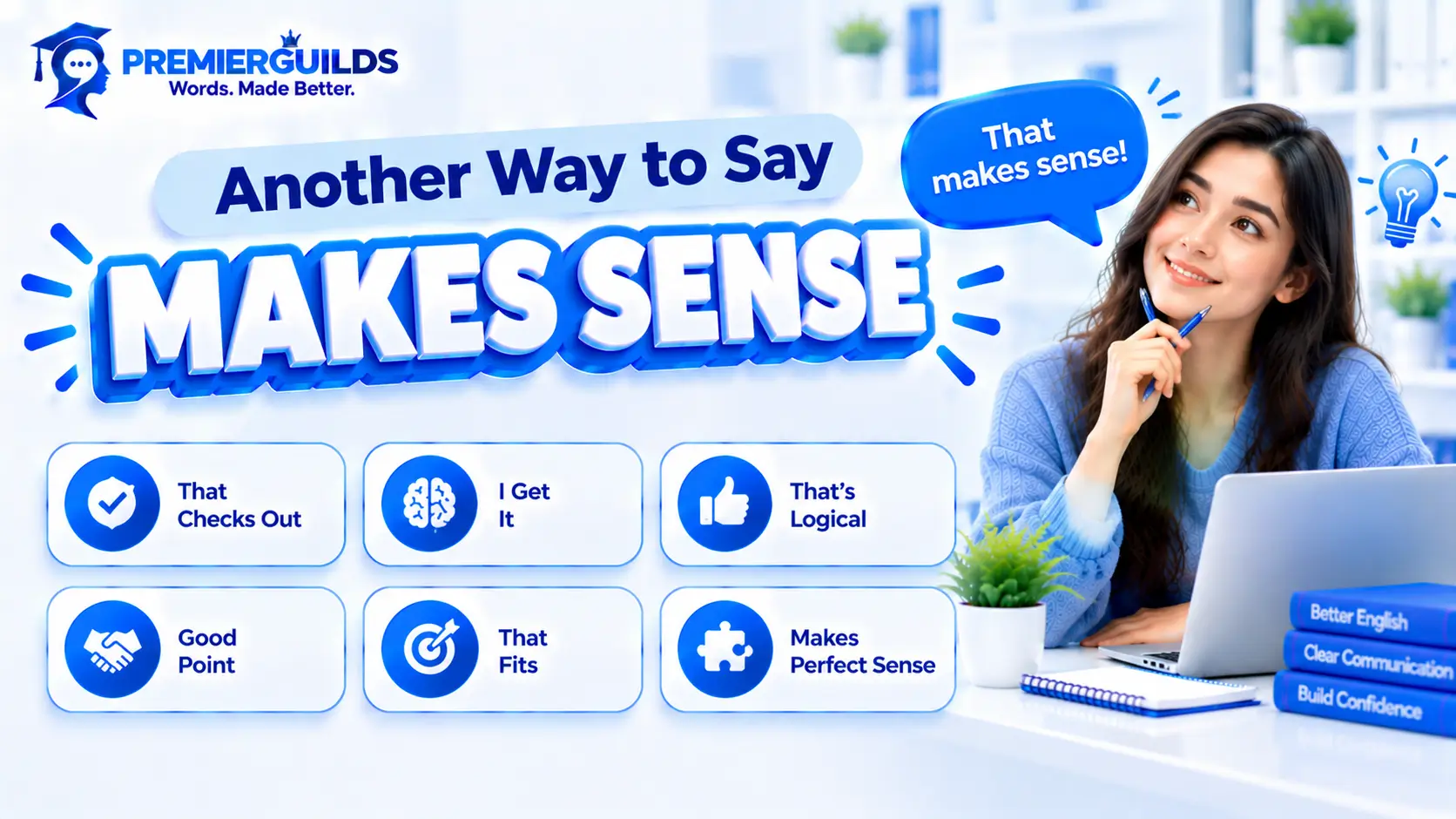
Another way to say makes sense is “That sounds reasonable,” “I understand,” “That’s clear,” or “I see your point.” In professional communication, “That seems logical” and “I understand your reasoning” work well. The best alternative depends on whether you’re agreeing with someone, acknowledging an explanation, or confirming that something is clear.
“Makes sense” is a common phrase in American English. People use it when an explanation sounds clear, logical, or reasonable.
For example, you might say, “That makes sense. We should finish the project before Friday.”
The phrase works well in everyday conversations, but repeating it can make your responses sound predictable.
In professional settings, a more specific expression may communicate your understanding more clearly.
Learning different alternatives helps you respond naturally, show respect, and keep conversations engaging.
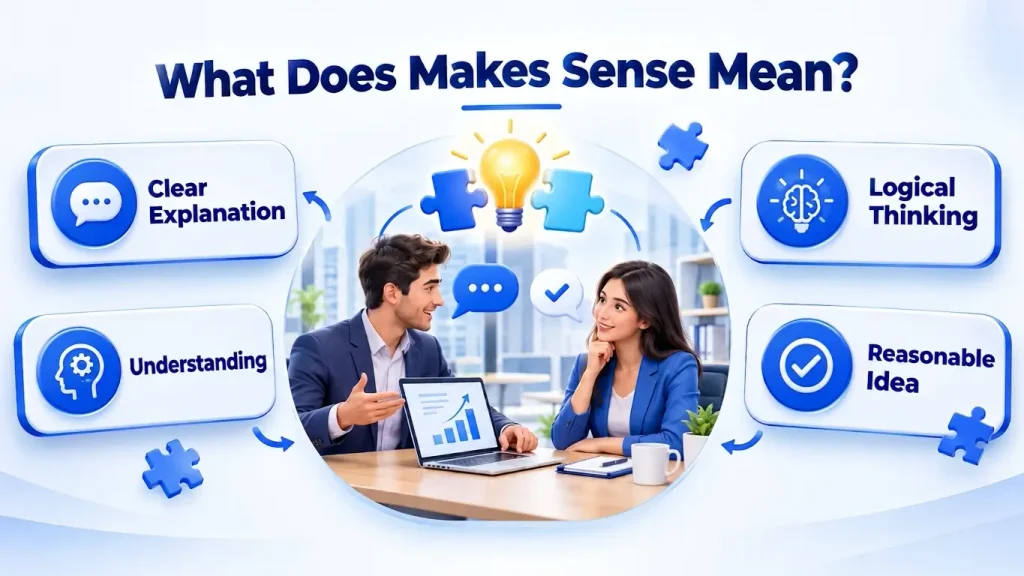
“Makes sense” means something is understandable, logical, or reasonable.
People often say it after hearing an explanation, suggestion, or decision.
For example, “Your plan makes sense” means the plan seems logical or practical.
The expression appears in casual conversations, workplace meetings, emails, and classroom discussions.
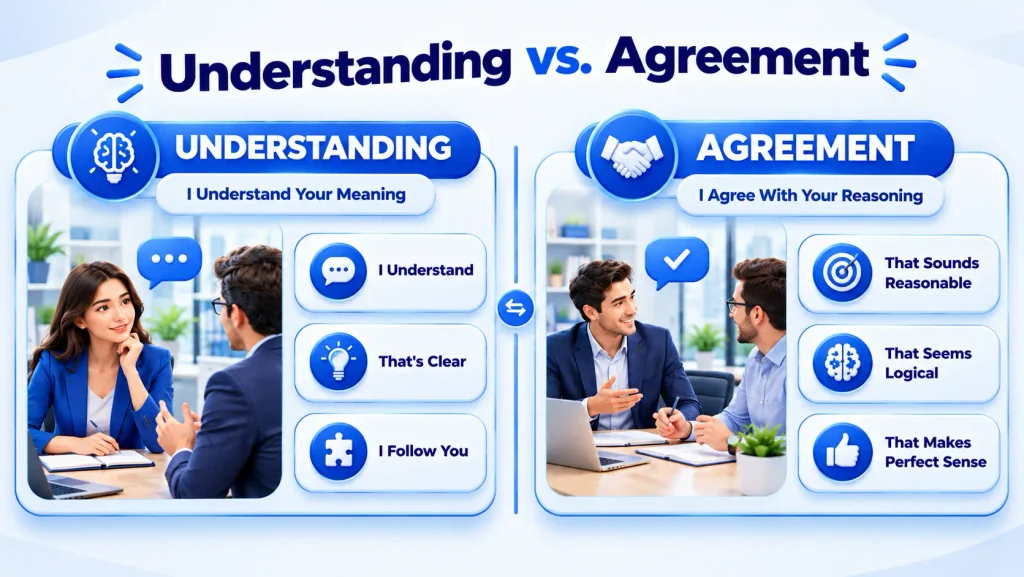
However, understanding an explanation does not always mean agreeing with it. Choosing the right alternative helps you express that difference.
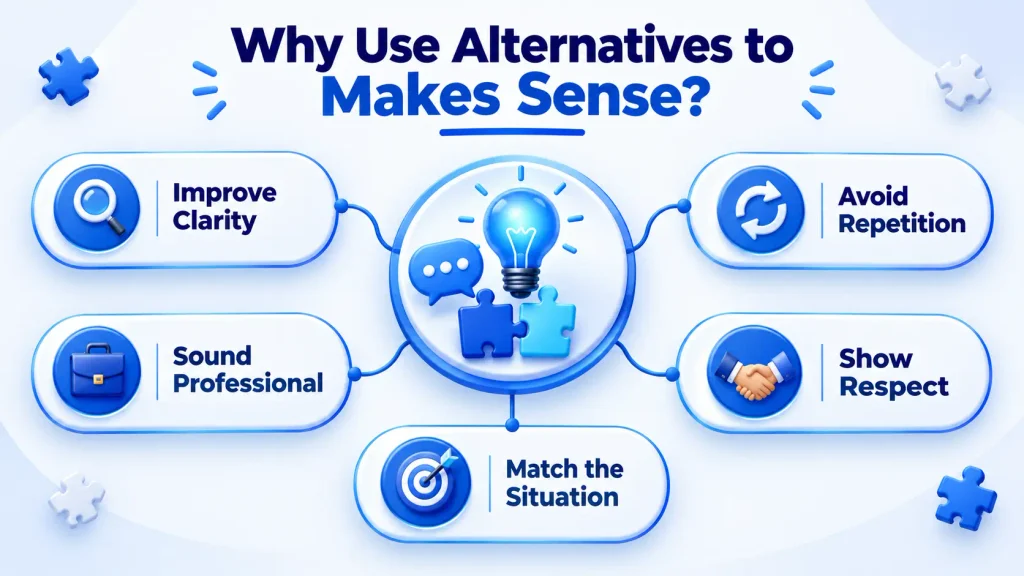
Different alternatives help you respond with greater accuracy.
Some expressions show agreement, while others simply confirm that you understand.
Here are five benefits:
For example, “I understand” confirms comprehension, while “That sounds reasonable” suggests approval.
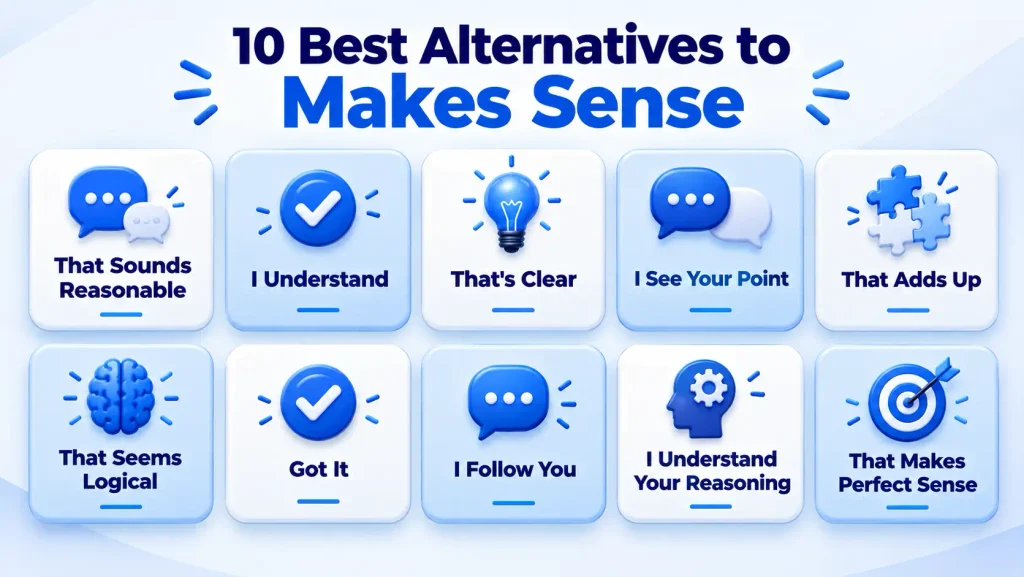
Here are ten useful alternatives with meanings, examples, and practical tips.
Meaning
“That sounds reasonable” means an idea or suggestion seems fair and practical. It often communicates polite agreement.
Best For: Professional, Polite, Formal
Example 1: That sounds reasonable. We can review the proposal tomorrow morning.
Example 2: Your suggested timeline sounds reasonable given the amount of work involved.
Quick Tip: Use this phrase when agreeing with a practical suggestion.
Meaning
“I understand” means you have followed someone’s explanation or message. It does not necessarily mean you agree with their opinion.
Best For: Professional, Polite, Friendly
Example 1: I understand why the delivery date needs to change.
Example 2: I understand your concerns about the new schedule.
Quick Tip: Use this phrase when acknowledging information without promising agreement.
Meaning
“That’s clear” means an explanation is easy to understand. It emphasizes clarity rather than approval.
Best For: Professional, Polite, Formal
Example 1: That’s clear. I’ll follow the updated instructions.
Example 2: Your explanation of the payment process is clear.
Quick Tip: Choose this expression when confirming that instructions are understandable.
Meaning
“I see your point” means you understand another person’s opinion or reasoning. It can show respect even when you disagree.
Best For: Professional, Polite, Friendly
Example 1: I see your point about reducing unnecessary meetings.
Example 2: I see your point, although I think we should consider another option.
Quick Tip: Use this phrase during discussions involving different opinions.
Meaning
“That adds up” means information seems consistent or logical. It often suggests that the details support a conclusion.
Best For: Casual, Friendly
Example 1: The numbers match the report, so that adds up.
Example 2: Your explanation of the missing supplies adds up now.
Quick Tip: Use this phrase when facts or details fit together logically.
Meaning
“That seems logical” means an explanation follows a sensible line of reasoning. It sounds thoughtful and slightly formal.
Best For: Professional, Formal, Polite
Example 1: That seems logical based on the results of our latest test.
Example 2: Your approach seems logical, especially with the limited budget.
Quick Tip: Choose this phrase when evaluating reasoning or decisions.
Meaning
“Got it” is a short, casual way to confirm understanding. It is common in quick conversations and informal workplace messages.
Best For: Casual, Friendly, Professional
Example 1: Got it! I’ll send the updated file before lunch.
Example 2: Got it. The meeting starts at nine instead of ten.
Quick Tip: Use this expression for quick acknowledgments rather than formal reports.
Meaning
“I follow you” means you understand someone’s explanation or train of thought. It sounds conversational and attentive.
Best For: Casual, Friendly, Polite
Example 1: I follow you. You’re suggesting we test the design before launching it.
Example 2: I follow you so far, but could you explain the final step?
Quick Tip: Use this phrase when discussing a detailed explanation.
Meaning
“I understand your reasoning” acknowledges the logic behind someone’s decision. It shows respect without necessarily expressing agreement.
Best For: Professional, Formal, Polite
Example 1: I understand your reasoning for postponing the product launch.
Example 2: I understand your reasoning, even though I prefer the original proposal.
Quick Tip: Use this expression when discussing decisions or different viewpoints.
Meaning
“That makes perfect sense” expresses strong understanding or agreement. It adds emphasis to the original phrase.
Best For: Friendly, Professional, Warm
Example 1: That makes perfect sense. We should confirm the details before booking.
Example 2: Your explanation makes perfect sense now that I’ve seen the full report.
Quick Tip: Use this phrase when an explanation feels especially clear or convincing.
| Alternative | Best Used In | Tone |
|---|---|---|
| That Sounds Reasonable | Practical suggestions | Professional |
| I Understand | Acknowledging information | Polite |
| That’s Clear | Confirming instructions | Professional |
| I See Your Point | Different opinions | Respectful |
| That Adds Up | Checking facts | Casual |
| That Seems Logical | Evaluating reasoning | Formal |
| Got It | Quick acknowledgments | Casual |
| I Follow You | Detailed discussions | Friendly |
| I Understand Your Reasoning | Business decisions | Professional |
| That Makes Perfect Sense | Strong agreement | Warm |
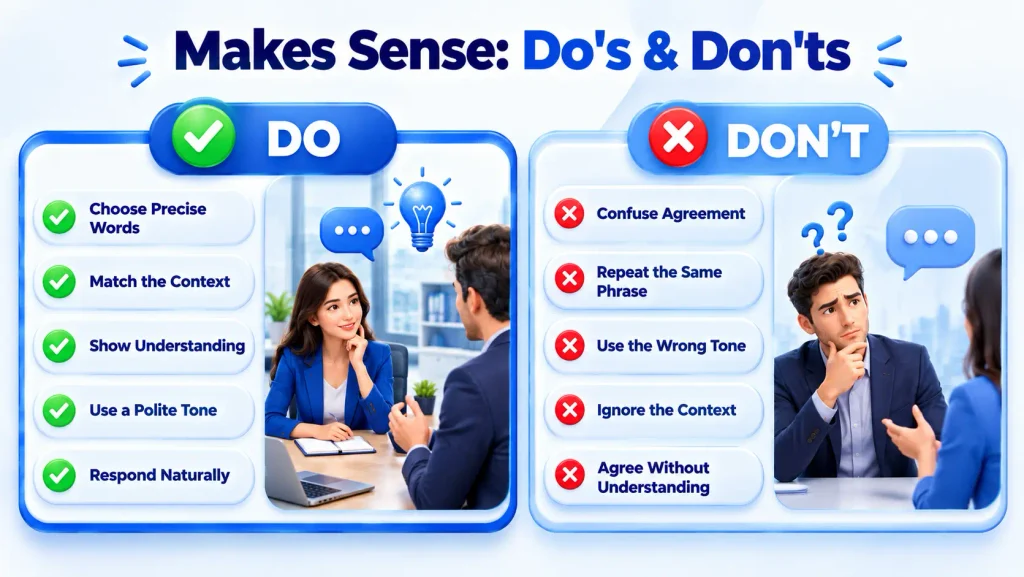
“I understand” means you follow an explanation. It does not always mean you support the idea.
“Got it” may sound too relaxed in a formal message. Use “I understand” when a more professional tone is needed.
Using “makes sense” after every explanation can sound repetitive. Choose expressions that reflect your actual reaction.
“That makes perfect sense” suggests strong confidence. Avoid using it when you still have questions.
“That adds up” works when details fit together logically. It may sound unnatural when responding to someone’s feelings or personal concerns.
You can say “That sounds reasonable,” “I understand,” “That’s clear,” or “I see your point.” These expressions communicate different levels of understanding or agreement. Choose one based on whether you’re confirming an explanation, supporting a suggestion, or acknowledging another person’s perspective.
Professional alternatives include “That sounds reasonable,” “That seems logical,” and “I understand your reasoning.” These phrases work well in business emails and meetings. For example, “Your proposed timeline seems reasonable” sounds clear and respectful when discussing a project schedule.
“Makes sense” is generally conversational, but it is acceptable in many professional settings. For formal writing, a more specific expression may be better. “That seems logical” works when evaluating reasoning, while “I understand” is useful when acknowledging instructions or information.
You can say “I see your point,” “I understand your reasoning,” or “That sounds reasonable.” These responses acknowledge someone’s explanation respectfully. If you disagree, you can still say, “I see your point, but I have a different perspective.” This keeps the conversation constructive.
Not always. “Makes sense” can mean you understand why someone thinks or acts a certain way. It may also suggest agreement, depending on the context. If you want to avoid confusion, use “I understand” for comprehension and “I agree” when you clearly support the idea.
For professional emails, try “I understand,” “That sounds reasonable,” or “Your explanation is clear.” Each option fits a different purpose. If you’re confirming instructions, “I understand” is useful. If you’re approving a suggested plan, “That sounds reasonable” may be more appropriate.
The expressions are similar but not identical. “Got it” usually means you received or understood information. “Makes sense” often suggests that an explanation seems logical. For example, “Got it” confirms instructions, while “That makes sense” evaluates the reasoning behind them.
Choose a response that reflects your reaction. Say “That’s clear” when you understand an explanation, “I see your point” when acknowledging an opinion, or “That sounds reasonable” when agreeing with a suggestion. A specific response often communicates more than a general acknowledgment.
Finding another way to say makes sense helps you express understanding and agreement more clearly.
For professional communication, “That sounds reasonable” and “That seems logical” are useful choices. They show that an idea appears practical or well supported.
If you simply understand an explanation, “I understand” or “That’s clear” may be more accurate.
During discussions involving different opinions, “I see your point” helps acknowledge another person’s perspective without suggesting full agreement.
For casual conversations, “Got it” and “That adds up” sound natural and friendly.
Remember that understanding and agreement are not always the same. Choosing the right expression helps prevent confusion.
The best alternative is one that matches your meaning, fits the situation, and keeps your response clear and respectful.

Our editorial team brings together decades of expertise in applied linguistics, lexicography, and educational publishing. Dedicated to clarity, precision, and tone, our experts ensure that every resource meets the highest standards of professional and academic excellence.